JP Radar Kediri - For more than a hundred years, most of us haven't had to think much about where our electricity comes from. The power grid has been like air—always there, always working. You flipped a switch, and the lights came on. Simple.
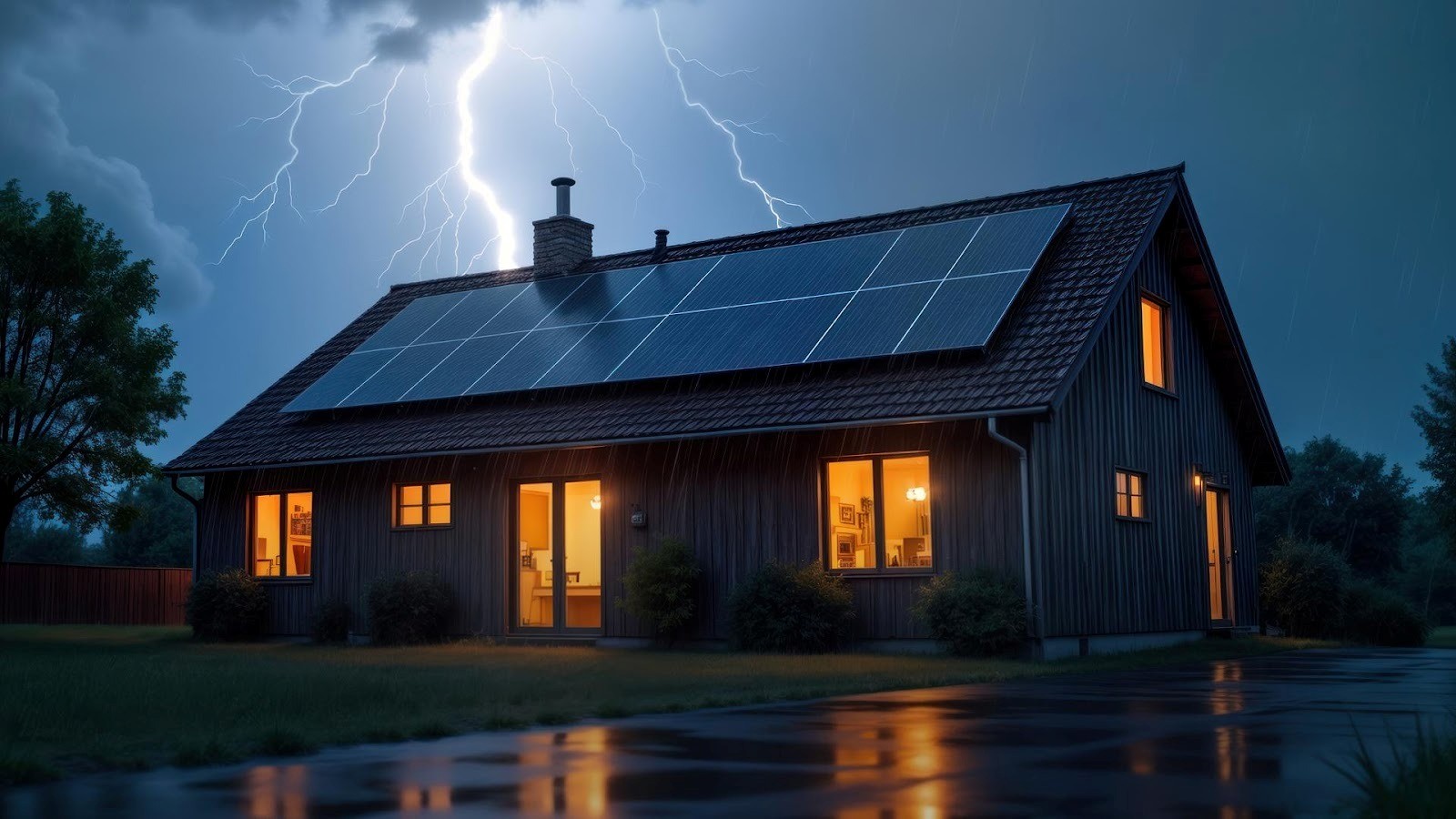
But lately, that old model feels shaky. Once rare, outages are now happening more frequently. Energy bills climb, sometimes with little explanation. And every time a big storm hits, we're reminded that the grid wasn't really built for today's world of smart gadgets, electric cars, and extreme weather.
Here's the shift: instead of being entirely tied to the grid, more homeowners are choosing a middle path—keeping grid access while also building their own backup and storage. It's about resilience, savings, and sustainability rolled into one. You don't have to cut ties with the grid completely, but you can make your home far less dependent on it.
And this is where something like the OCEAN Pro solar battery storage comes in. It's not just about backup—it's about creating a more innovative, hybrid system that works for real life.
How a solar battery provides more than just backup
Let's be honest: when most people hear "home solar battery," they picture a rainy-day safety net. And sure, backup is part of it. When the grid goes down, your home doesn't have to. That peace of mind alone is worth a lot.
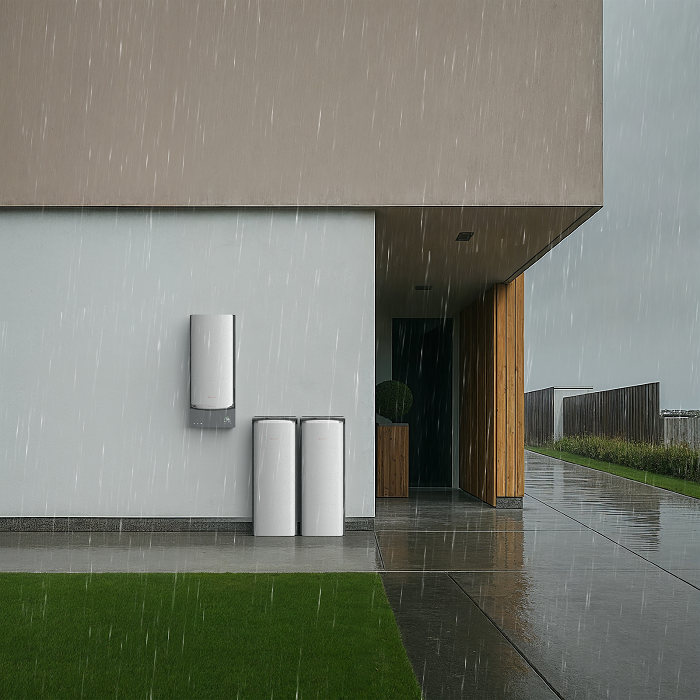
However, what's often overlooked is that he value of a solar battery goes far beyond emergencies. Think about a sunny afternoon. Your panels are currently generating more power than you need. Without a battery, much of that energy gets sent away to the grid. With storage? You keep it for yourself, then use it later—at night, during cloudy weather, or when rates are sky-high.
This simple trick, known as load shifting, is like time-traveling with your energy. You're basically saving sunlight from the afternoon to brew your coffee in the morning. And over time, it cuts a serious chunk out of your monthly bills.
Intelligent batteries go a step further. They can talk to the grid and make decisions for you—like using your stored energy during expensive peak hours, then recharging from the grid when rates drop. Suddenly, the benefits of solar power for your home stack up fast: lower bills, better control, and a lot less stress about what your utility is charging.
The core features of a reliable energy solution
Not every system is created equal, though. Some are glorified power banks, while others are built to handle the real demands of a modern household. So what should you look for?
- Power that actually delivers: It's one thing to keep a lamp running. It's another thing to run your AC, fridge, and oven simultaneously. A system with high continuous output makes sure you don't have to choose.
- Room to grow: Maybe your setup works now, but what about when you add an EV or your kids move back home? A scalable, modular design allows you to expand without needing to start from scratch.
- Multiple charging sources: A solid solar battery shouldn't rely on one option. The best systems recharge from solar, the grid, and even a generator if needed. Flexibility is everything.
- Smart management: This is where AI shines. Modern systems can learn your patterns—such as when you cook, charge devices, or run laundry—and automatically optimize to reduce costs.
- Durability and trust: Look for warranties, certifications, and systems that have been tested to last thousands of cycles. This isn't a short-term gadget; it's a long-term investment.
When a battery checks all these boxes, it stops being just a backup plan. It becomes the heart of your home's energy independence.
Different systems for different needs
Here's the good news: there's no one-size-fits-all. Whether you're powering a small workshop or trying to keep a large home running off the grid, there's a system designed to meet your needs.
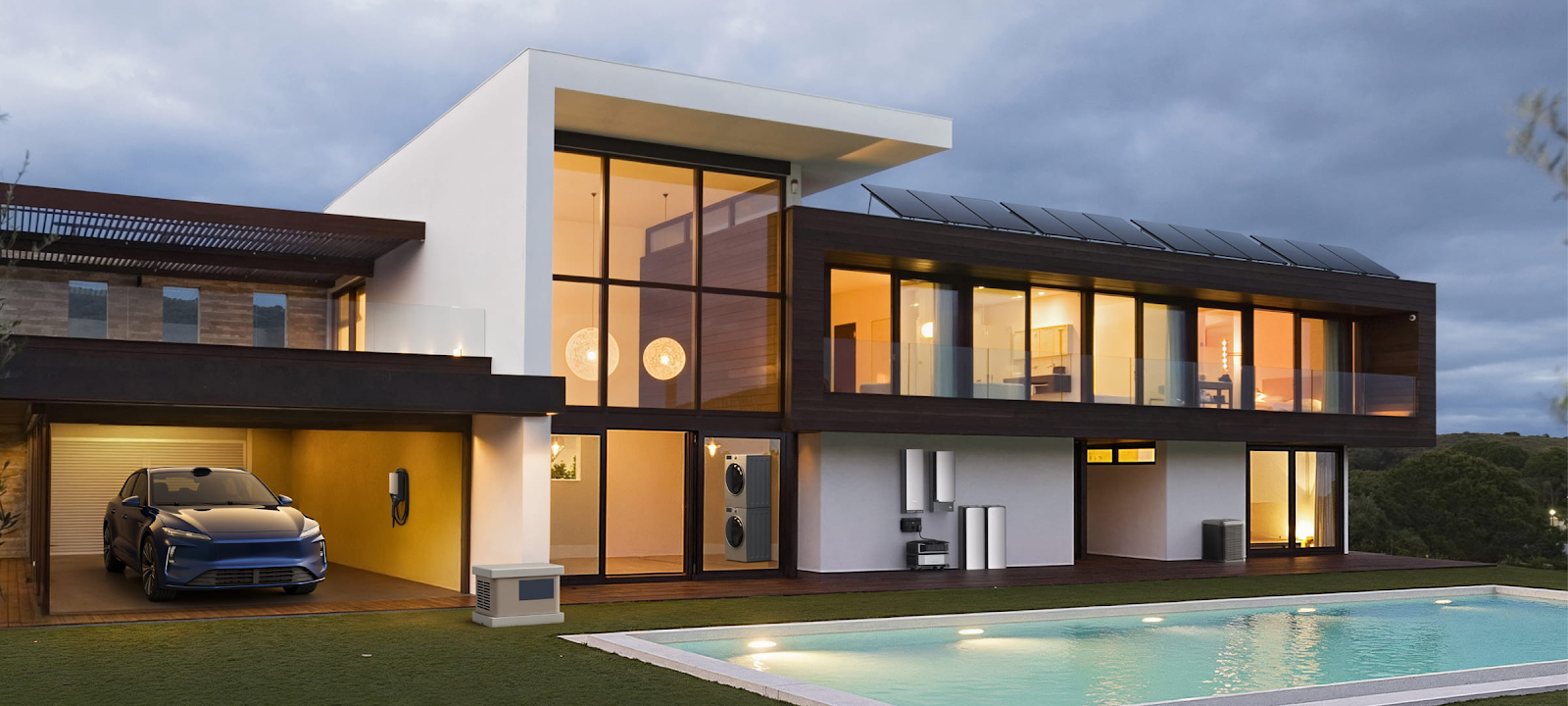
EcoFlow's DELTA Pro Ultra and DELTA Pro 3, for instance, can handle whole-home backup and serious off-grid living. They're scalable, robust, and built for families who want considerable energy independence.
But not everyone needs to start there. Some people want peace of mind during outages or a way to keep a remote cabin running. EcoFlow also offers smaller, portable options that do the job without the cost or footprint of a complete setup.
Whatever you choose, the key is durability. A reliable system should come with a strong warranty, built-in protections, and the confidence that it'll still be performing years from now.
The future is distributed: a more intelligent grid for all
Here's the bigger picture: when lots of homes adopt solar and storage, the grid itself changes. Instead of one big, fragile system, you get thousands of mini power plants—each home generating and storing its own energy.
That's powerful. It makes the grid less vulnerable to localized failures and spreads the load in a way that benefits everyone.
Then there's the rise of Virtual Power Plants (VPPs). These programs allow you to sell your excess stored energy back to the grid during peak times. For you, that means extra income or credits on your bill. For the community, it means fewer blackouts and less reliance on dirty, fossil-fuel backup plants.
It's a fundamental shift—from a one-way street where utilities supply and you consume, to a two-way partnership where households actively support the grid. And the best part? It's not some future vision. It's already happening.
Real-world stories of energy independence
It's easy to talk about features, but what does energy independence actually look like on a day-to-day basis? Here are a few real-world snapshots:
- Storm resilience: Families in hurricane zones stay powered for days with solar-plus-storage. Their fridges don't spoil, and their homes remain comfortable even when the neighborhood is dark.
- Remote living: Cabins and workshops in off-grid locations run entirely on modular systems, making independence possible where the grid doesn't reach.
- City living: Urban households join VPPs and utilize their storage to reduce bills while also supporting grid stability.
It's often the smaller, personal stories that really bring the idea of energy independence to life. Picture parents during a blackout, grateful that their child's medical equipment keeps running without interruption. Or a local shop owner, keeping the lights on and customers coming in while the rest of the street sits dark. These aren't just conveniences—they're lifelines. They show that energy independence isn't about kilowatts or charts. It's about knowing your family is safe, your business can keep moving, and you don't have to live at the mercy of the grid. That's real peace of mind.
Final thoughts
The transition from fully grid-tied to energy-independent is no longer an abstract idea. It's happening now. Rising costs, unstable weather, and an aging grid are all signs that it's time to rethink what "powering your home" means.
With EcoFlow's OCEAN Pro, DELTA Pro Ultra, and DELTA Pro 3 systems, homeowners now have credible options to choose from for their energy needs. These won't be the backup batteries you've always ignored until the lights went out. These are appliances that you can use every day as backup during an outage and stabilize your monthly bills, and even provide power back into the grid at peak times.
Going energy-independent doesn't mean cutting yourself off completely. It means giving yourself choices. It means lowering your bills, protecting your family, and joining a broader shift toward a more intelligent, cleaner grid.
At the end of the day, it's about confidence. Knowing whether it's a storm, a blackout, or just another month of rising utility rates, your home is ready. And that step—from passive consumer to active participant—is what defines the energy future we're all moving toward.
Editor : Shinta Nurma Ababil